Hoagies and Grinders: What’s the Difference?
Few foods are more closely associated with the East Coast than the classic deli sandwich. Walk into a sandwich shop in Philadelphia, New York, Connecticut, or Massachusetts, and you might hear customers ordering hoagies, grinders, heroes, subs, or wedges. While these names are often used interchangeably, some of them have distinct histories and traditions.
Two of the most commonly confused sandwiches are the hoagie and the grinder. Both feature long rolls filled with meats, cheeses, and toppings, but their origins and traditional preparation methods are slightly different. Understanding those differences offers an interesting look into the rich history of American sandwich culture.
The Origins of the Hoagie
The hoagie is most closely associated with Philadelphia and the surrounding region.
While the exact origin remains debated, many food historians trace the sandwich back to Italian immigrant communities in the Philadelphia area during the early twentieth century. One popular theory suggests that workers at Hog Island, a major shipyard near Philadelphia during World War I, regularly brought large Italian-style sandwiches for lunch. Over time, the name “Hog Island sandwich” may have evolved into “hoagie.”
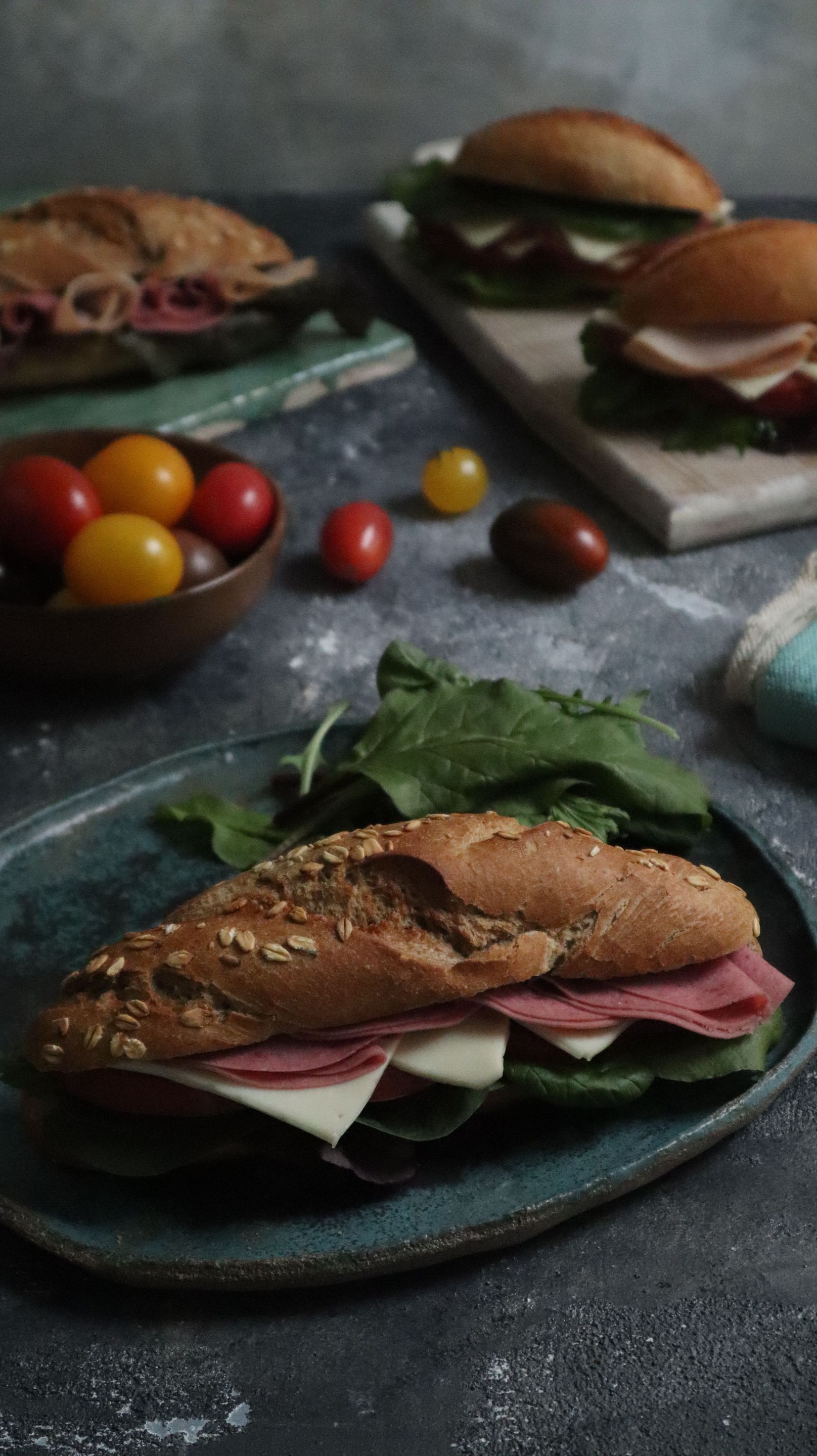
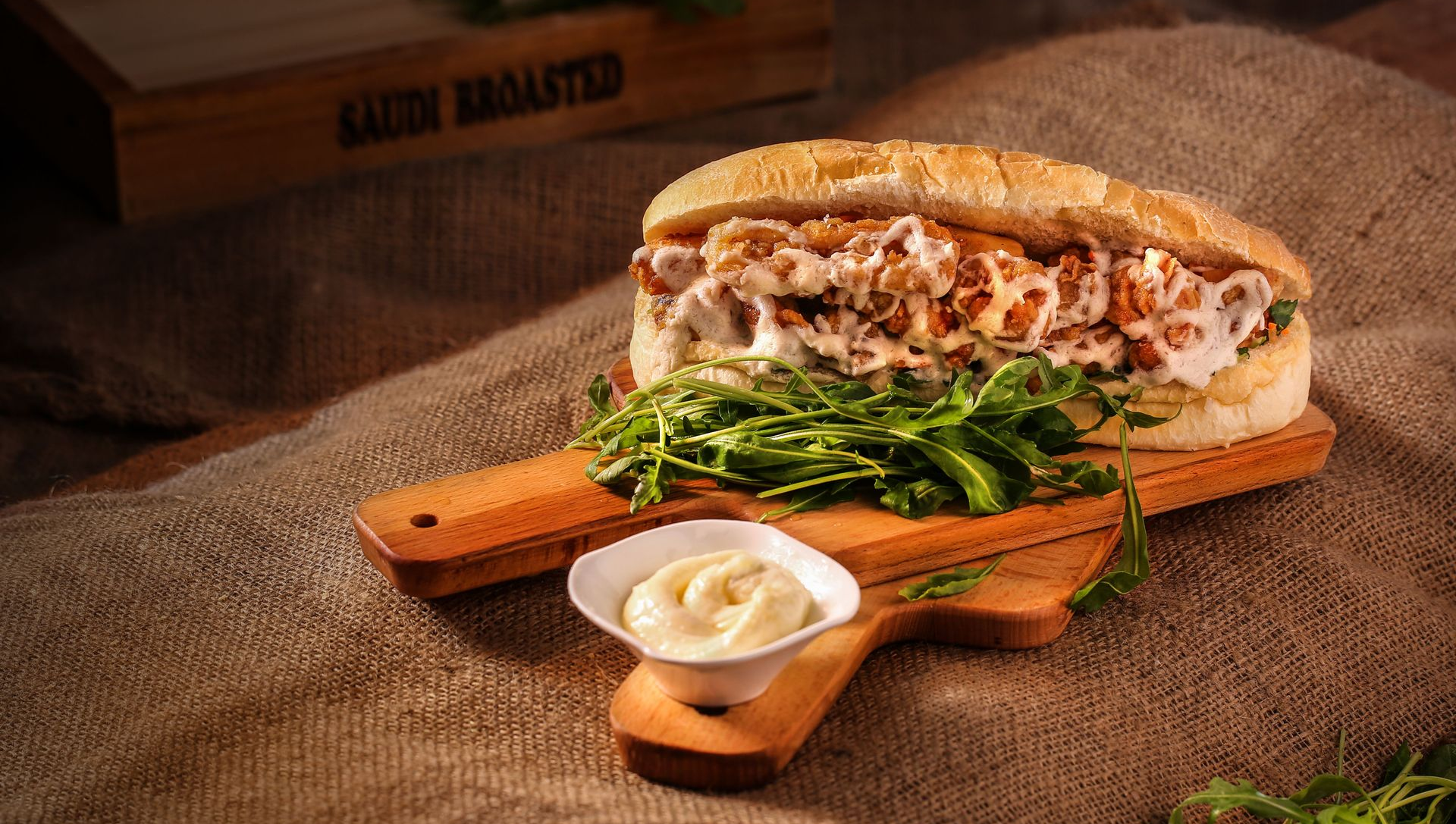
Traditional hoagies often feature Italian meats such as salami, capicola, ham, and provolone cheese, along with lettuce, tomatoes, onions, oil, vinegar, and seasonings. The focus is usually on fresh ingredients served cold on a sturdy roll.
Today, the hoagie remains one of
Philadelphia’s most iconic foods and a beloved part of East Coast sandwich culture.

The History of the Grinder
The grinder developed primarily in New England, particularly in Connecticut and neighboring states.
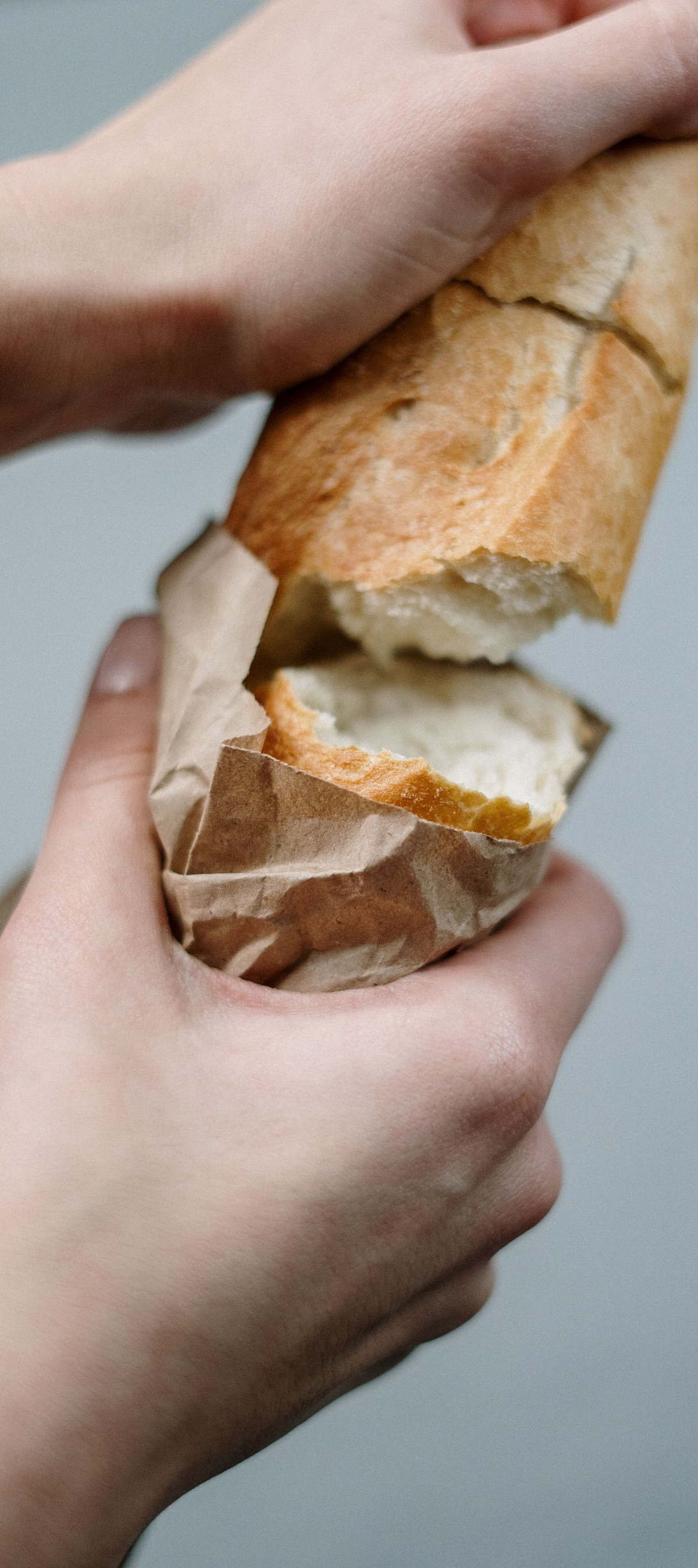
Like the hoagie, the grinder has roots in Italian-American communities. The origin of the name is less certain, but many believe it referred to the effort required to chew through the crusty bread traditionally used for the sandwich. In other words, diners had to “grind” their way through it.
Another theory connects the name to dockworkers and laborers who frequently enjoyed these hearty sandwiches during work breaks.
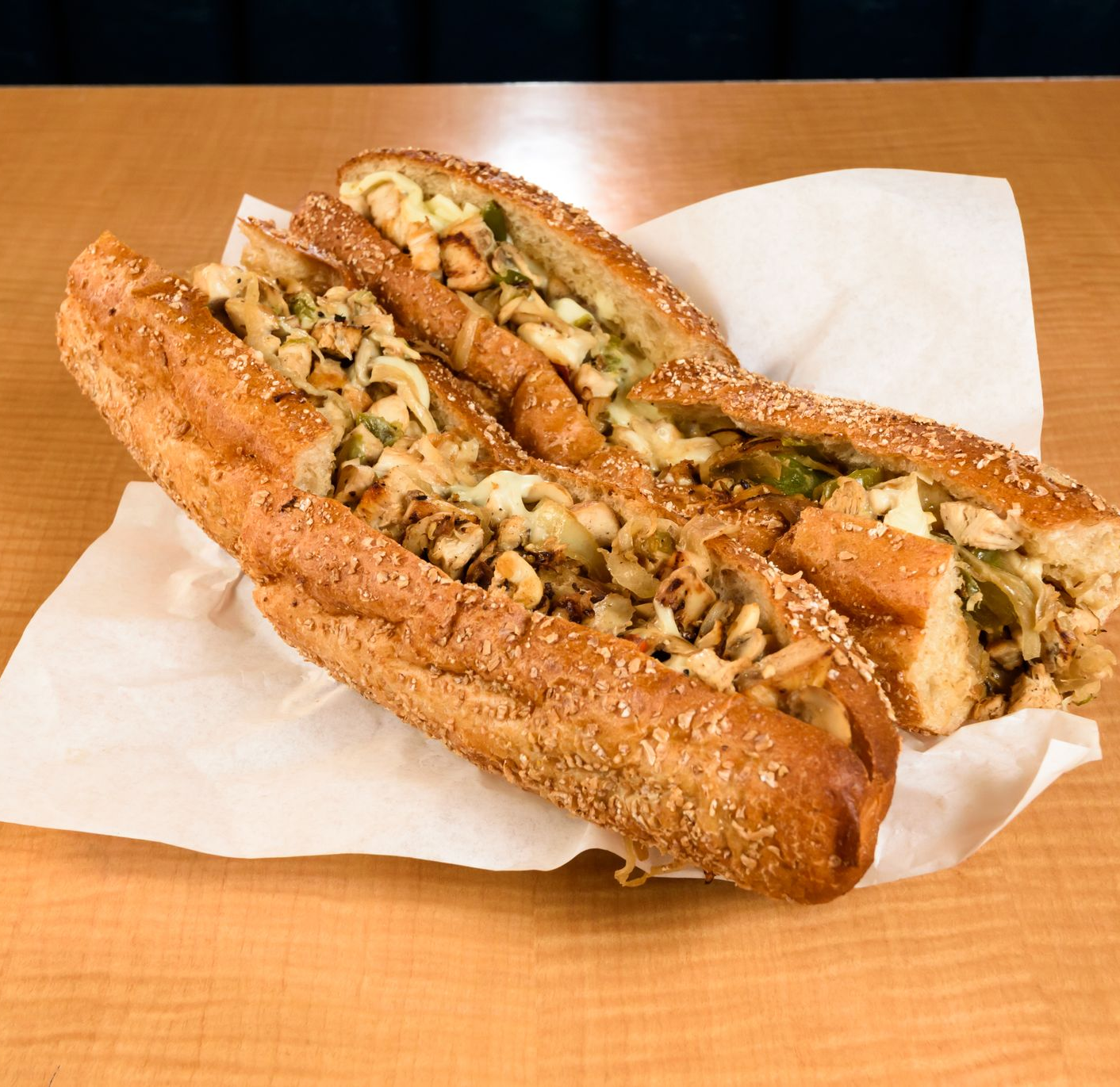
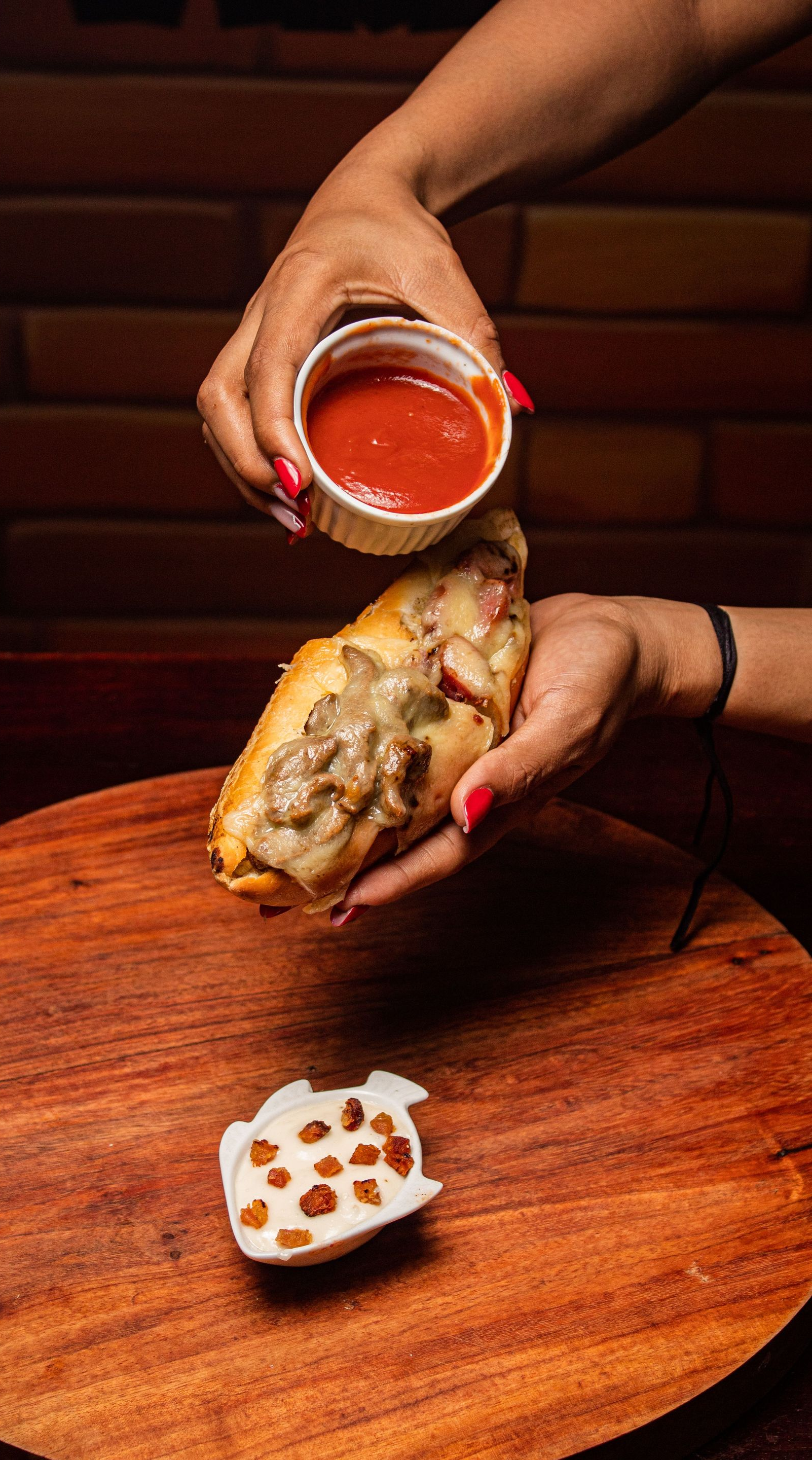
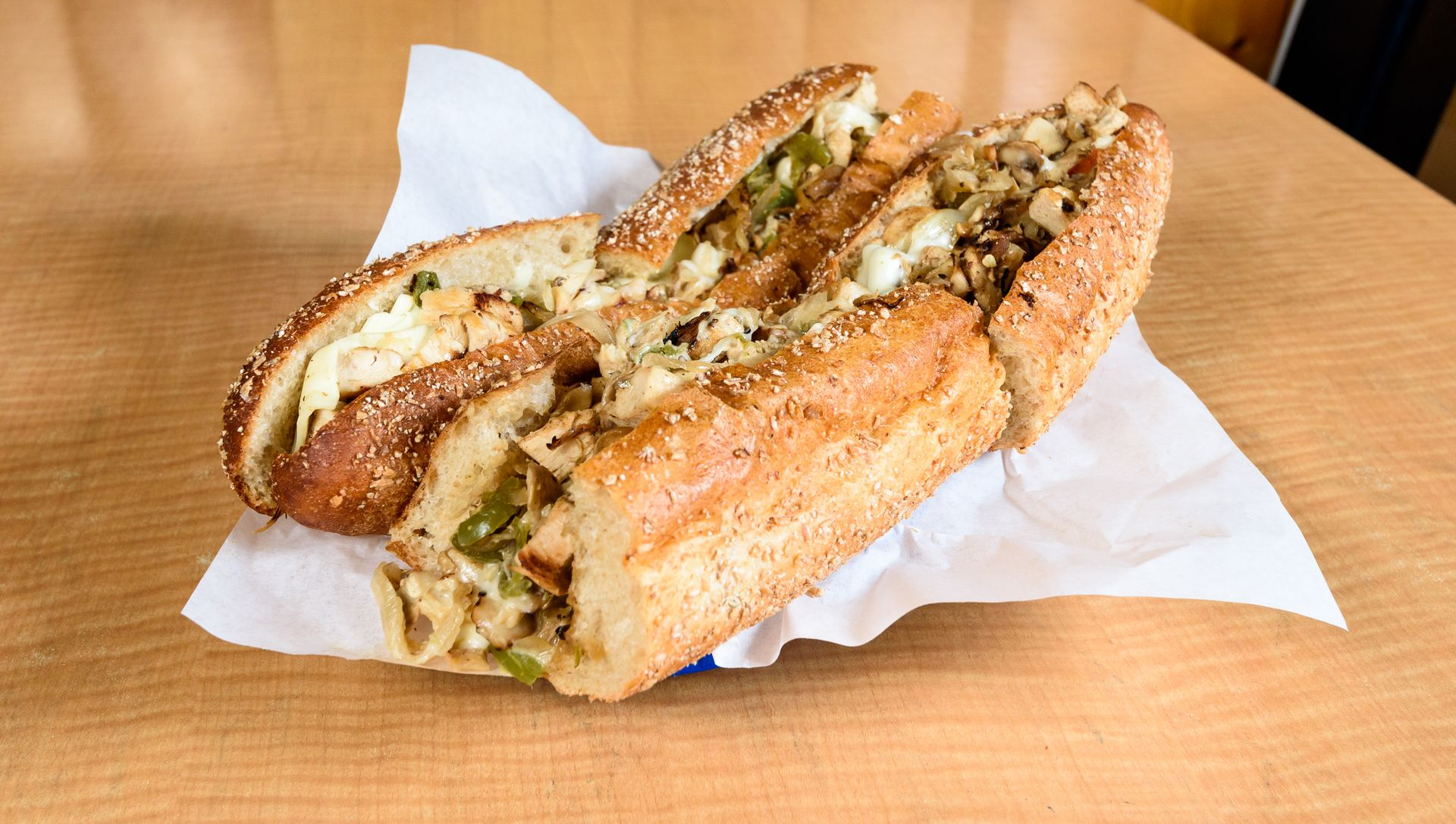
While cold grinders certainly exist, the term is often associated with hot sandwiches. Meatballs, sausage and peppers, chicken cutlets, steak, and melted cheese are all commonly found on traditional grinders.
The bread is often toasted or heated, creating a warm, satisfying sandwich that has become a staple throughout New England.
So What’s the Difference?
The answer depends somewhat on where you are.
In many parts of the country, there is little practical difference between a hoagie and a grinder. Both are long sandwiches served on similar rolls and filled with meats, cheeses, and vegetables.
Traditionally, however, a few distinctions stand out.
A hoagie is typically served cold and is strongly associated with Philadelphia and the Mid-Atlantic region. Italian meats, crisp vegetables, and oil-and-vinegar dressing are common features.
A grinder, on the other hand, is more closely tied to New England and is often served hot. Toasted bread, melted cheese, and warm fillings such as meatballs or steak are frequently associated with grinder-style sandwiches.
That said, sandwich traditions have evolved over the years, and many restaurants offer both hot and cold versions of each.
The East Coast Sandwich Tradition
What makes both sandwiches special is their connection to the broader East Coast deli tradition. Italian immigrants brought recipes, ingredients, and food culture to cities throughout the Northeast, helping create many of the sandwiches Americans enjoy today. Generations of family-owned restaurants and neighborhood sandwich shops continued refining those traditions, creating regional specialties that remain popular decades later.
Whether someone prefers a classic Italian hoagie loaded with meats and vegetables or a hot grinder overflowing with melted cheese and savory fillings, both sandwiches represent an important part of American food history.
A Sandwich Worth Celebrating
The debate between hoagies and grinders may never be fully settled, and that is part of the fun. Both sandwiches have earned loyal followings thanks to their flavor, versatility, and deep regional roots.
At Uncle Sam’s, East Coast sandwich traditions continue to inspire the menu. Whether you are craving a cold hoagie packed with fresh ingredients or a hearty hot sandwich served on a perfectly prepared roll, these classic creations demonstrate why East Coast deli culture remains one of America’s greatest culinary traditions.
No matter what name you call it, a great sandwich is always worth enjoying.