
How Regional Pizza Styles Developed Across America
Pizza may have originated in Italy, but few foods have been embraced and transformed by Americans quite like the pizza pie. Over the last century, different regions of the United States have developed their own unique approaches to pizza, creating styles that reflect local traditions, ingredients, and culinary preferences. Today, pizza lovers can find countless variations across the country, each with its own loyal following.
Despite the many regional interpretations, some styles have had a particularly significant influence on American pizza culture. Among the most enduring are the East Coast traditions that helped introduce generations of Americans to the pizza they know and love today.
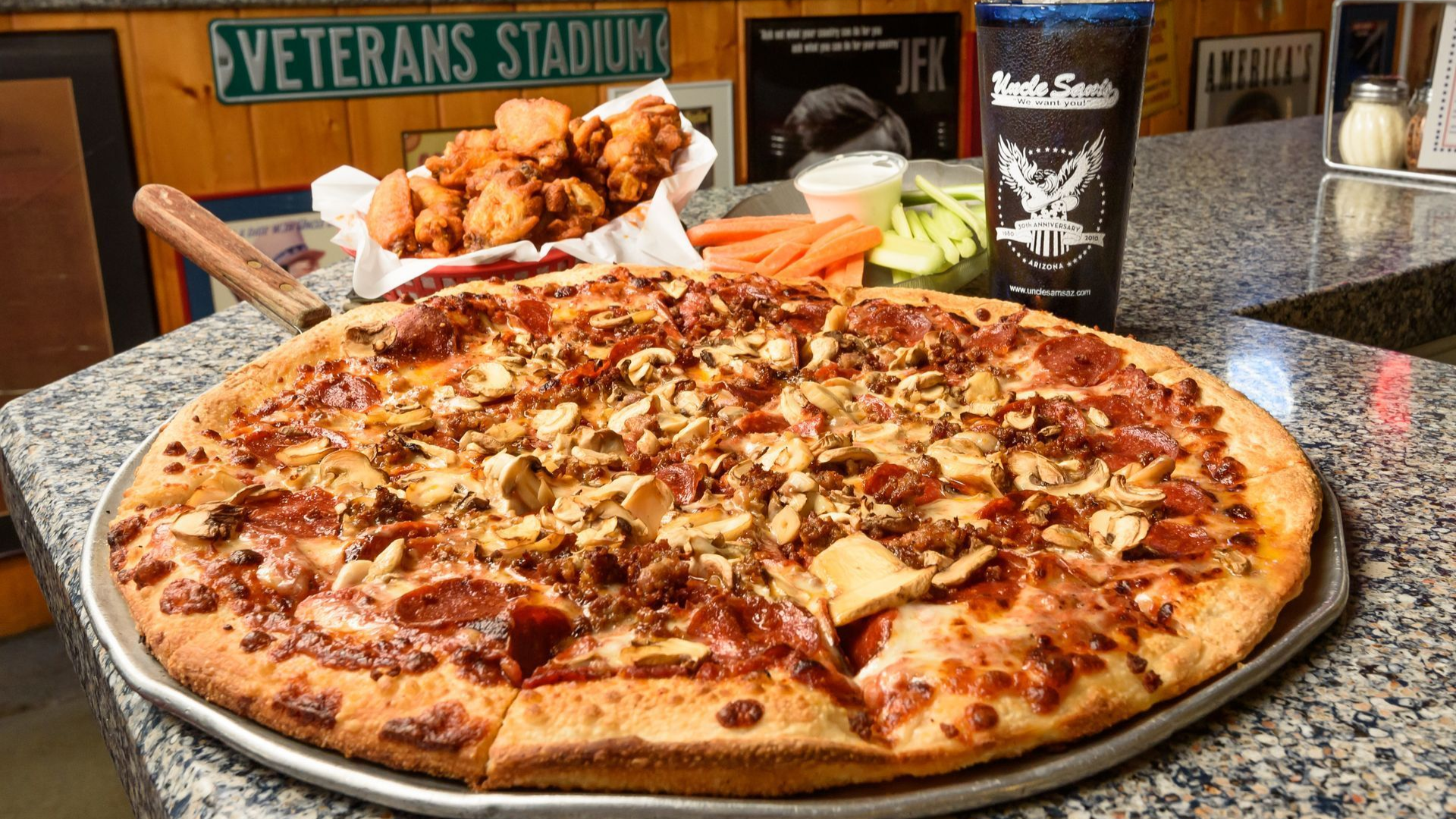
The Journey From Italy to America
Pizza arrived in the United States alongside Italian immigrants in the late nineteenth and early twentieth centuries. Many settled in cities along the East Coast, particularly in New York, Philadelphia, Boston, and other urban centers.
These immigrant communities brought family recipes, baking techniques, and food traditions that would eventually shape the American pizza industry. What began as a neighborhood favorite soon grew into a national phenomenon as more people discovered the appeal of freshly baked pizza.
As pizza spread throughout the country, local variations naturally emerged.
New York’s Influence on American Pizza
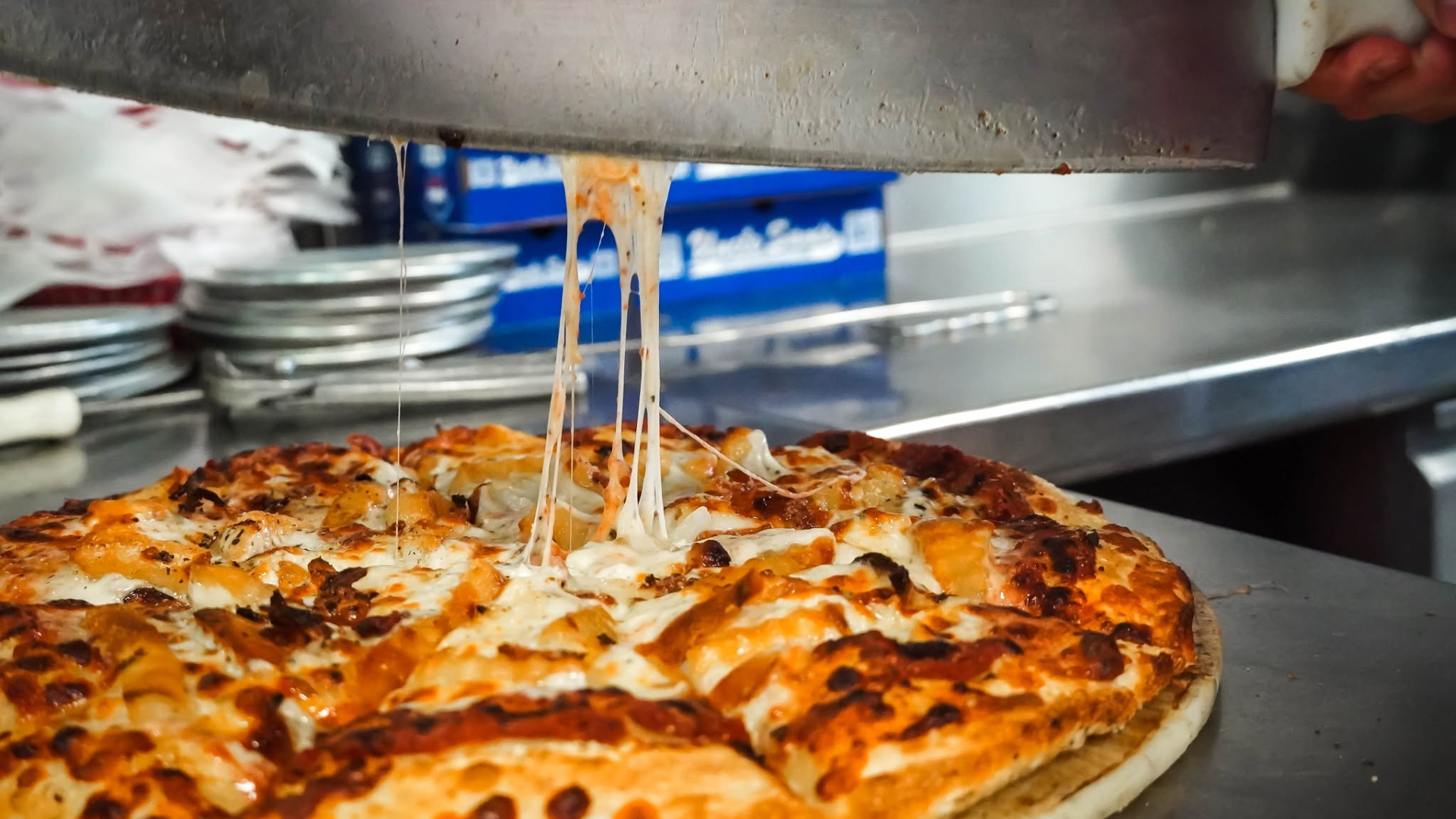
When many people picture a classic American pizza, they are often thinking of New York-style pizza.
Known for its large slices, hand-tossed dough, thin crust, and balanced combination of sauce and cheese, New York-style pizza became one of the most recognizable pizza traditions in the country. The style emphasizes simplicity and quality ingredients while creating a slice that is both satisfying and easy to enjoy.
The influence of New York pizza extends far beyond the city itself. Countless pizzerias throughout the United States continue to draw inspiration from the techniques and traditions established by East Coast pizza makers generations ago.
Other Regions Developed Their Own Styles
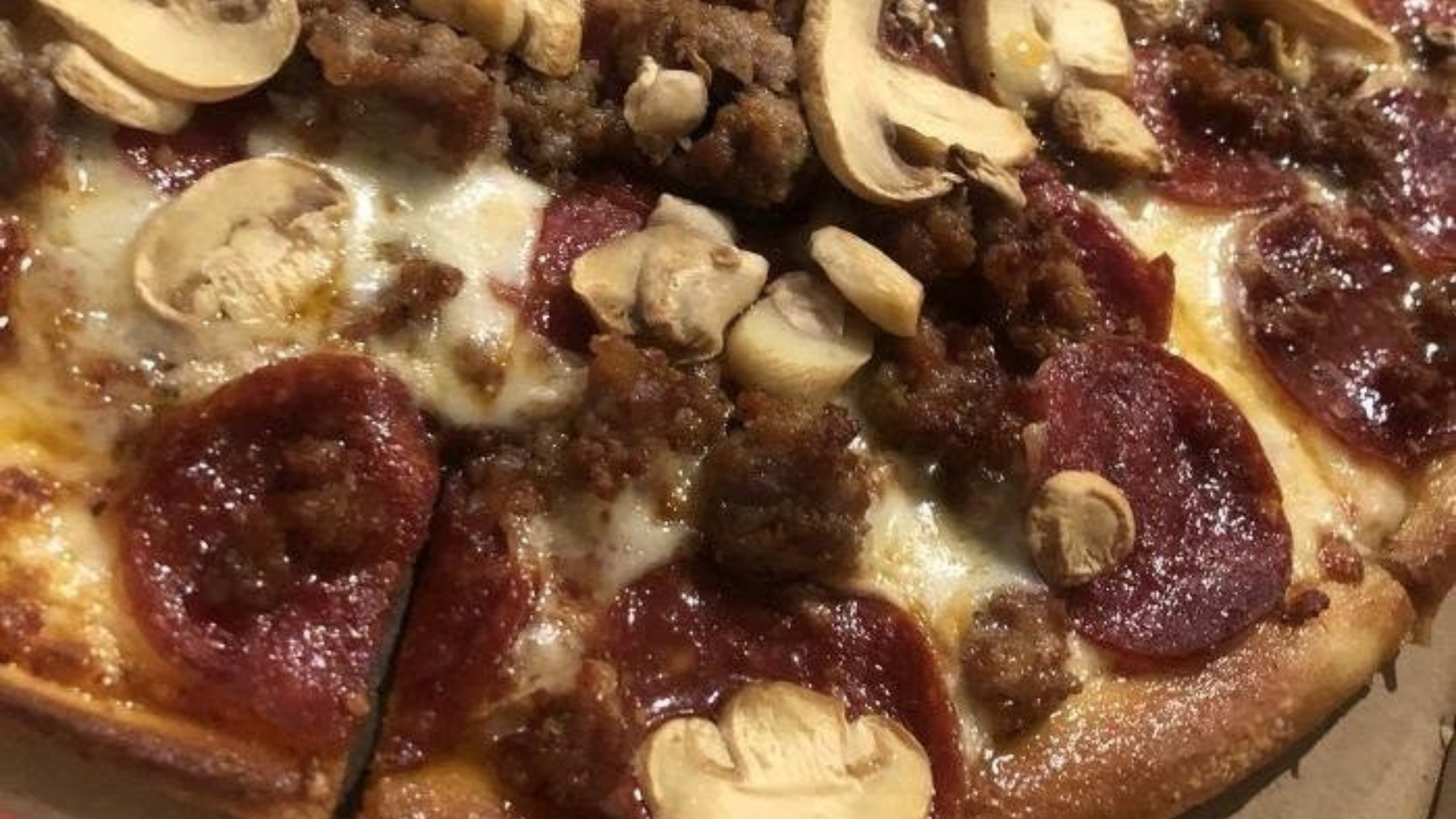
As pizza grew in popularity, different regions began putting their own spin on the dish.
Chicago became known for deep-dish pizza, featuring a thicker crust and substantial layers of ingredients. Detroit developed its own rectangular style with crispy edges and distinctive baking methods. Other areas introduced unique combinations of toppings, crust styles, and preparation techniques.
These regional variations helped expand the appeal of pizza while giving local communities something they could proudly call their own.
Yet even with so many options available, traditional East Coast pizza remains one of the most popular styles in America.
Why East Coast Traditions Continue to Matter
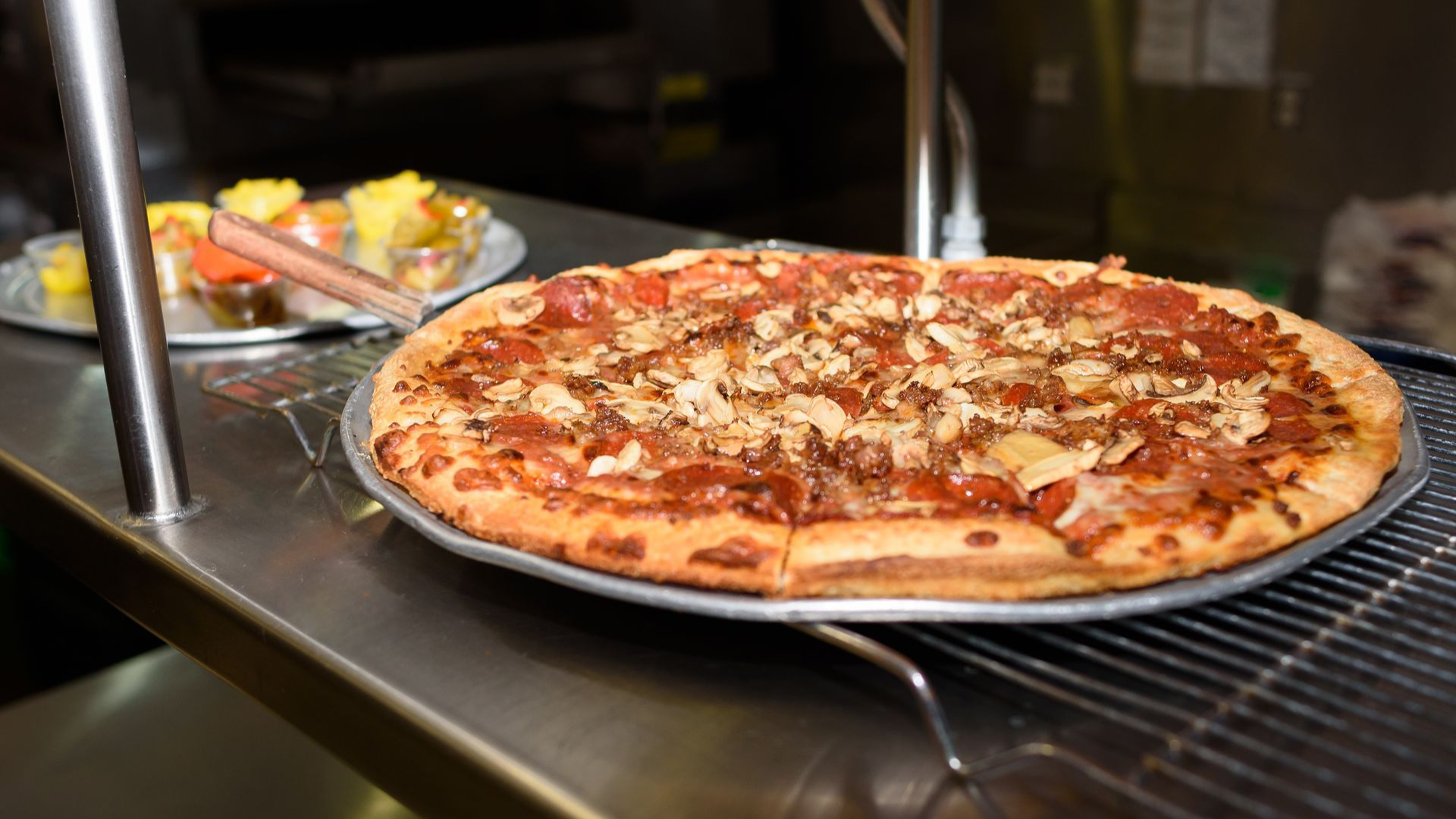
There is a reason East Coast pizza traditions have endured for generations. The focus has always been on creating a balanced pizza experience where the crust, sauce, cheese, and toppings work together rather than competing for attention.
The dough is often given careful attention. The sauce complements rather than overwhelms. The cheese enhances the flavor profile without becoming excessive.
This straightforward approach allows quality ingredients and proper technique to take center stage.
For many pizza enthusiasts, these traditions represent the foundation of what great pizza should be.
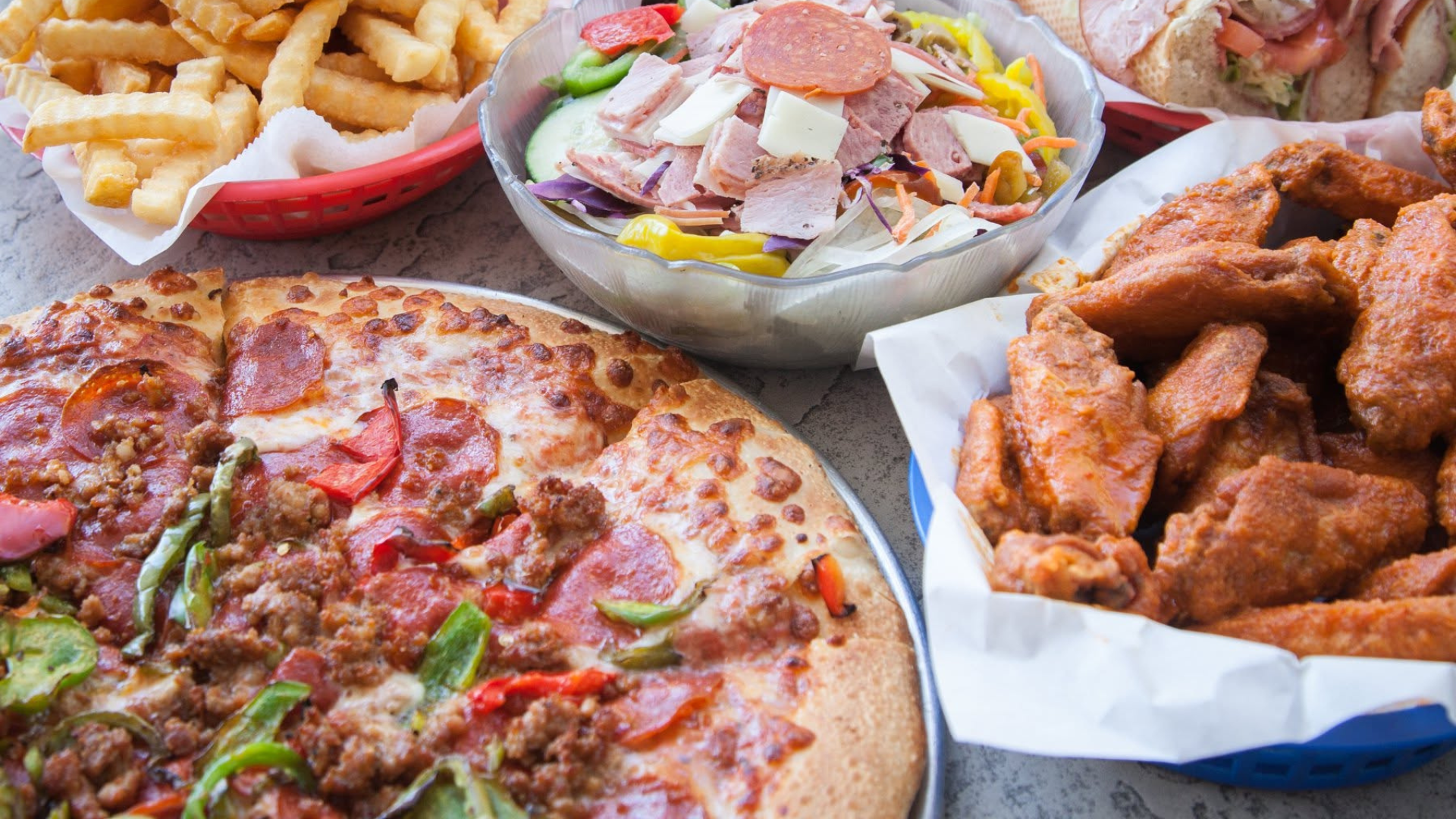
The Beauty of Regional Variety
One of the reasons pizza remains so popular is its incredible versatility. Whether someone prefers deep-dish pizza, thin crust, Detroit-style pizza, or a traditional New York-inspired slice, there is a style to suit nearly every taste.
Regional diversity has helped pizza become one of America’s most beloved foods. Each style contributes something unique to the larger pizza story.
At the same time, East Coast pizza continues to serve as a benchmark for many pizza lovers. Its emphasis on craftsmanship, balance, and tradition has stood the test of time.
As regional styles continue to evolve, the influence of East Coast pizza remains as strong as ever. For restaurants like Uncle Sam’s, honoring those traditions is not simply about preserving history. It is about continuing to serve the kind of pizza that has brought people together for generations.