
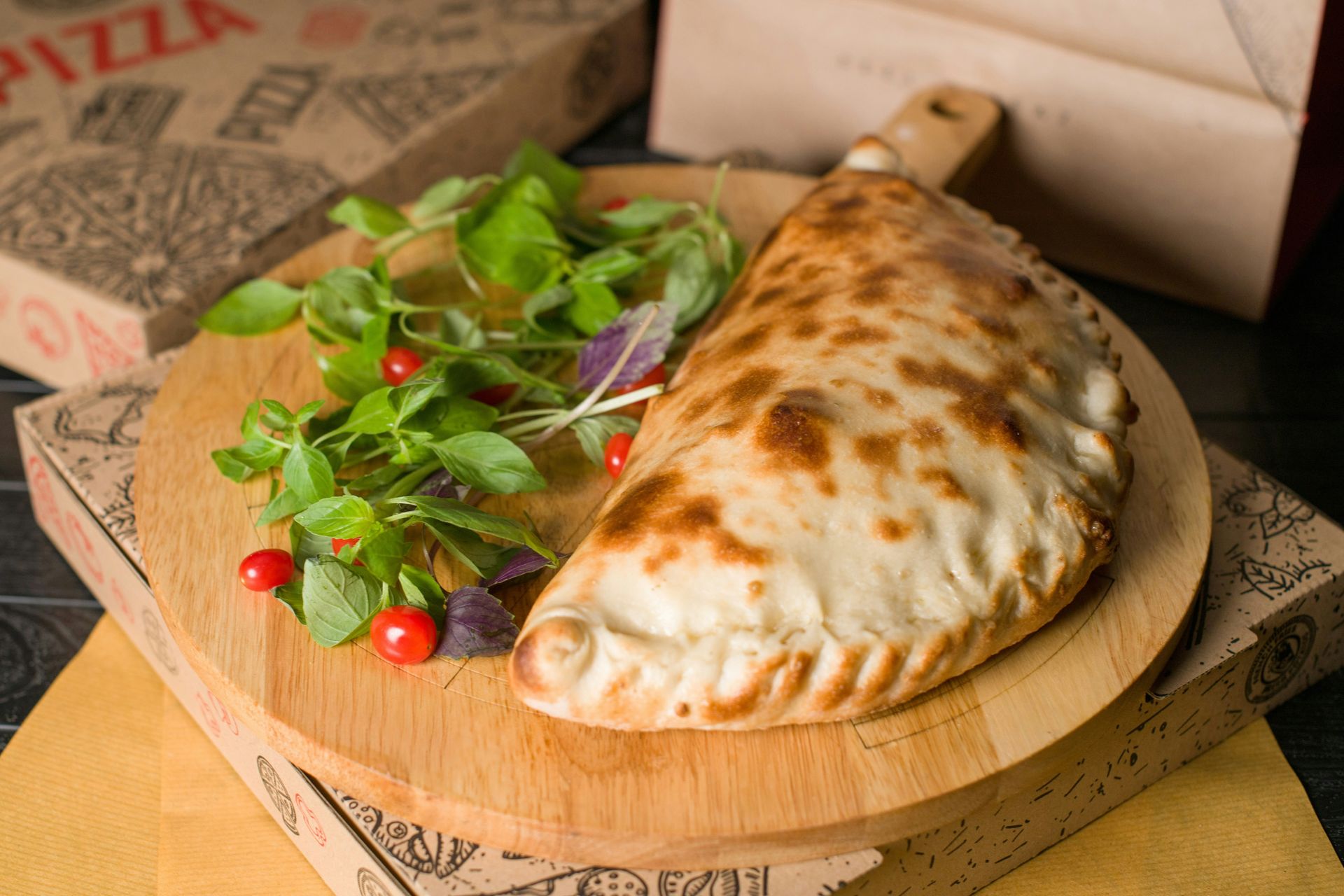
A calzone may look simple from the outside, but creating one that is truly memorable requires the right combination of ingredients, preparation, and technique. From the dough to the filling and the way it is baked, every detail contributes to the final result. A great calzone should deliver a crisp, golden crust, a flavorful filling, and a satisfying balance of textures in every bite. Whether you are a longtime calzone enthusiast or trying one for the first time, understanding what goes into a well-made calzone can help you appreciate why this classic Italian-inspired favorite has remained popular for generations. It Starts With the Dough Every great calzone begins with quality dough. The dough should be soft and elastic enough to fold around the fillings without tearing, while still developing a crisp, lightly browned exterior during baking. When baked properly, the outside provides a pleasant bite while the inside remains tender and airy. The goal is to create a crust that supports the generous fillings without becoming too thick or overwhelming the flavors inside.
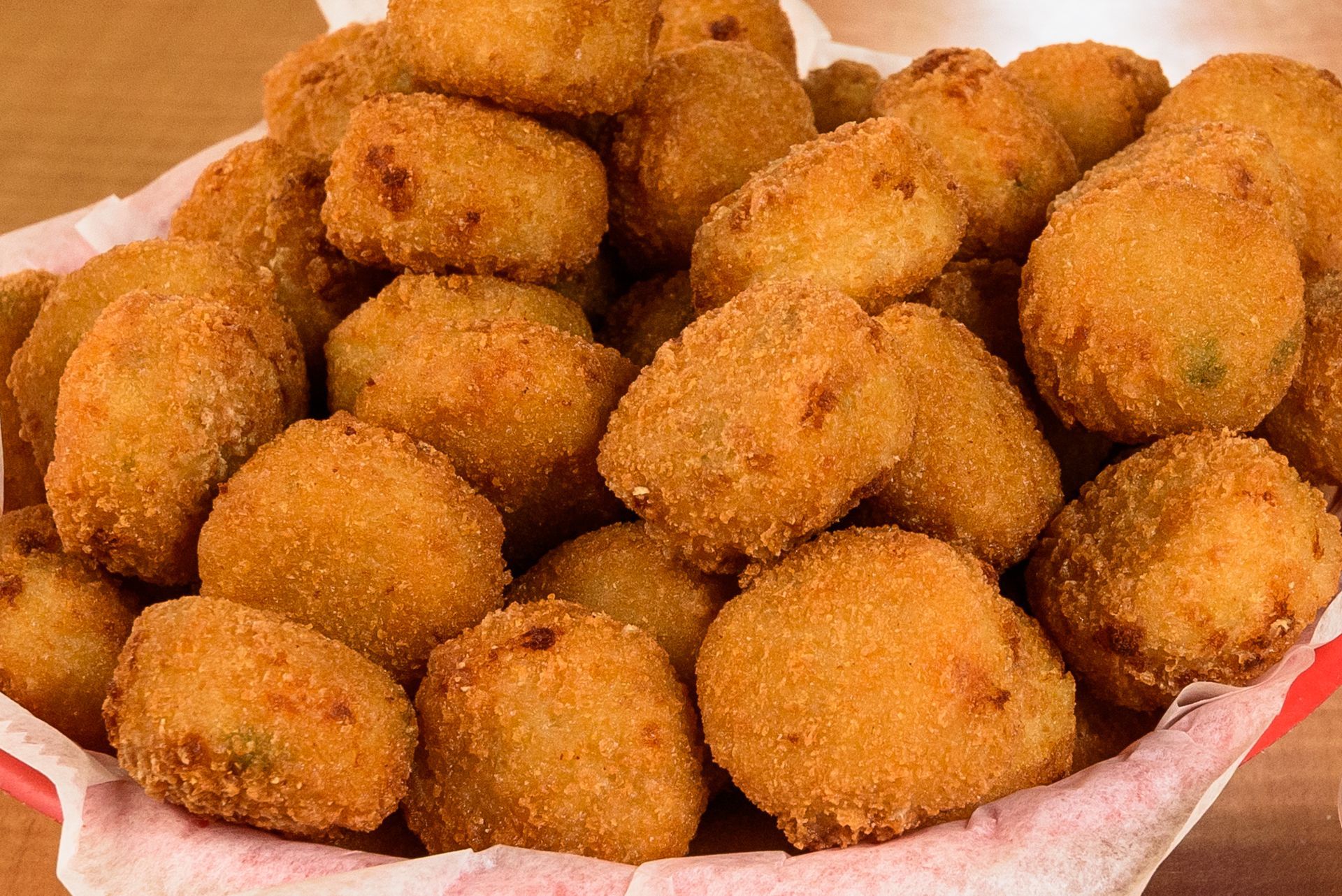
Some of the best meals are not just about the main course—they are about the experience of sharing great food with family and friends. Whether you are gathering to watch the big game, catching up with coworkers after work, or enjoying dinner with loved ones, appetizers have a way of bringing everyone together before the first entrée even arrives. At Uncle Sam’s, we believe that sharing great food creates great memories. Our selection of appetizers is designed to complement our signature sandwiches, pizzas, calzones, strombolis, and wings while giving everyone at the table something delicious to enjoy. Every Great Meal Starts With Something to Share There is a reason appetizers have remained a favorite part of dining out for generations. Sharing a basket of hot appetizers gives everyone a chance to sample different flavors, start conversations, and enjoy the meal together. Instead of waiting for individual entrées to arrive, guests can begin enjoying fresh, satisfying food right away. Whether your group is large or small, shared appetizers help create a relaxed, welcoming atmosphere that turns an ordinary meal into a social occasion.
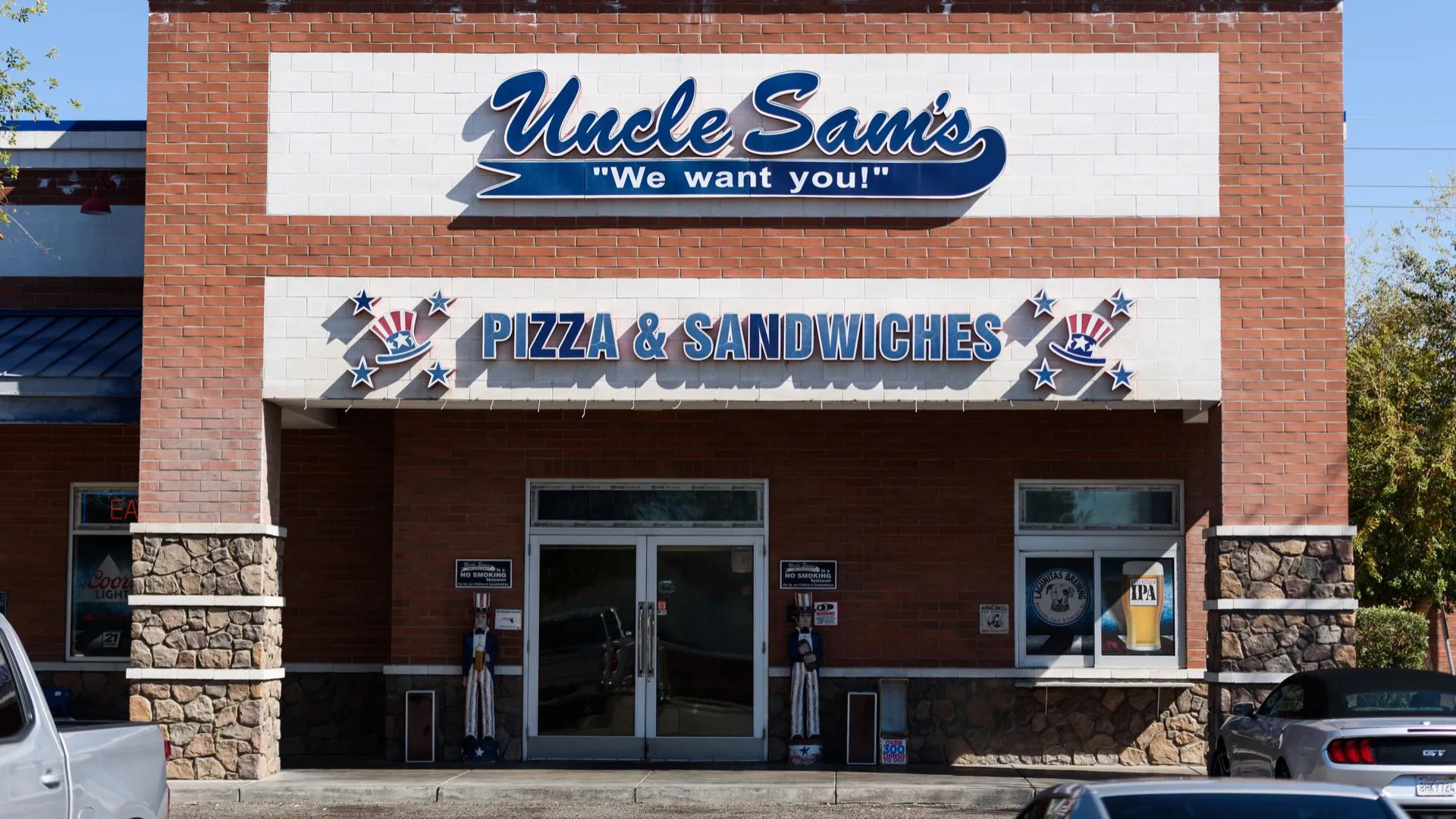
Food has always been about more than satisfying hunger . The recipes we share, the sandwiches we crave, and the meals we gather around often connect us to family traditions that span generations. Across the country, family-owned restaurants have played an important role in preserving regional flavors, introducing new communities to time-honored recipes, and serving food that feels both familiar and memorable. At Uncle Sam’s, we are proud to continue that tradition by bringing authentic East Coast favorites to the Phoenix area. Every cheesesteak, hoagie, pizza, and grinder we prepare reflects the simple idea that great food begins with quality ingredients, careful preparation, and recipes people have enjoyed for decades. Regional Traditions Tell a Story Every part of the United States has foods that represent its history and culture. The East Coast is especially well known for hearty sandwiches, Italian-American classics , neighborhood pizza shops, and family-owned delis that have become gathering places for generations. Many of these recipes have been passed down through families, with each restaurant adding its own unique touch while staying true to the flavors that made these dishes famous in the first place. That commitment to tradition is what continues to make East Coast comfort food so popular.
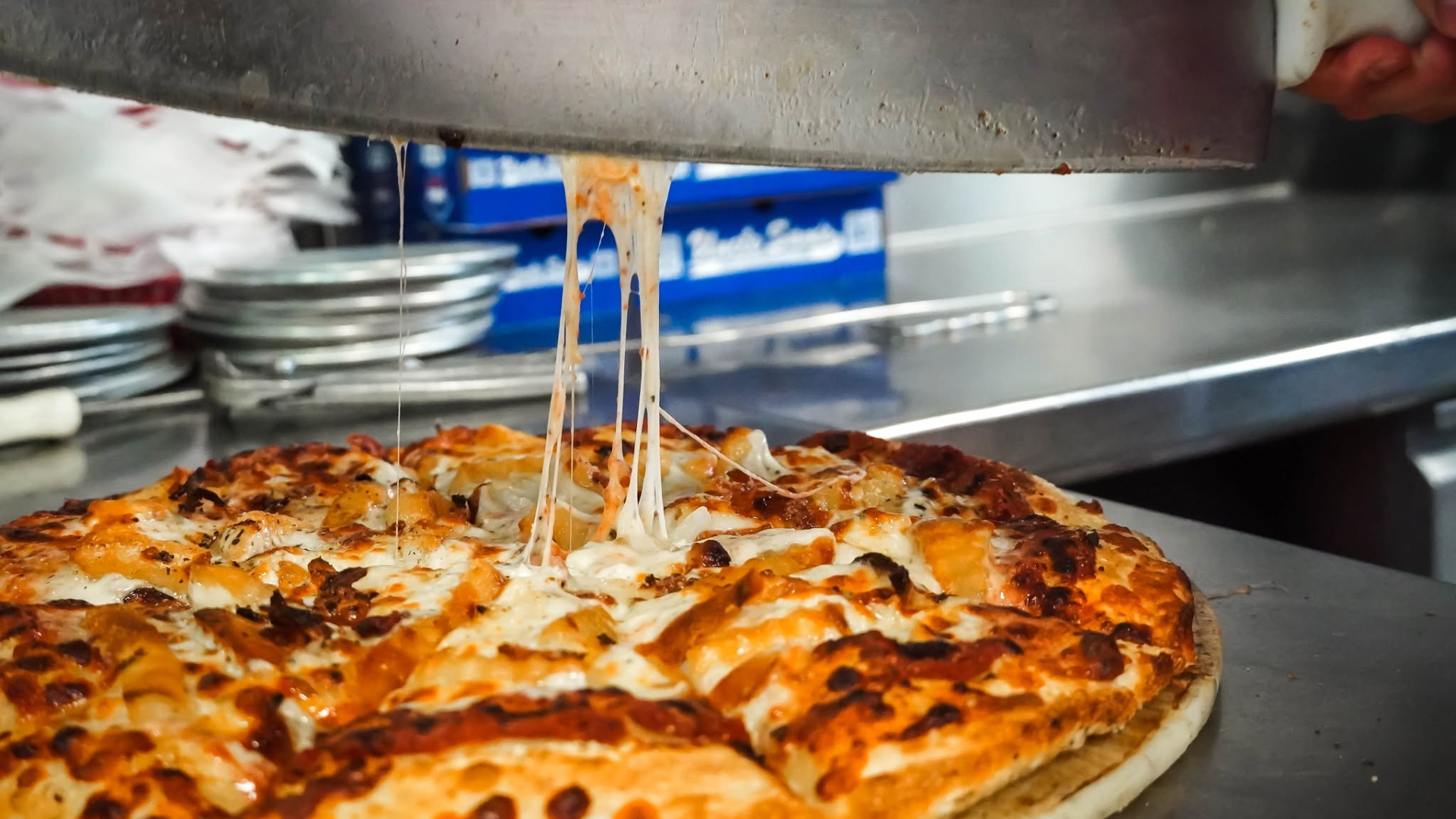
Few foods are as closely associated with a city as pizza is with New York. For generations, New York-style pizza has been more than just a meal—it has been a cultural icon. Served by the slice in neighborhood pizzerias, folded in half while walking down busy sidewalks, or shared among family and friends, this style of pizza has become one of America’s most recognizable comfort foods. Although countless regional pizza styles now exist across the country, New York-style pizza continues to hold a special place in American food culture. Its simple ingredients, distinctive crust, and rich history have made it a favorite for more than a century.
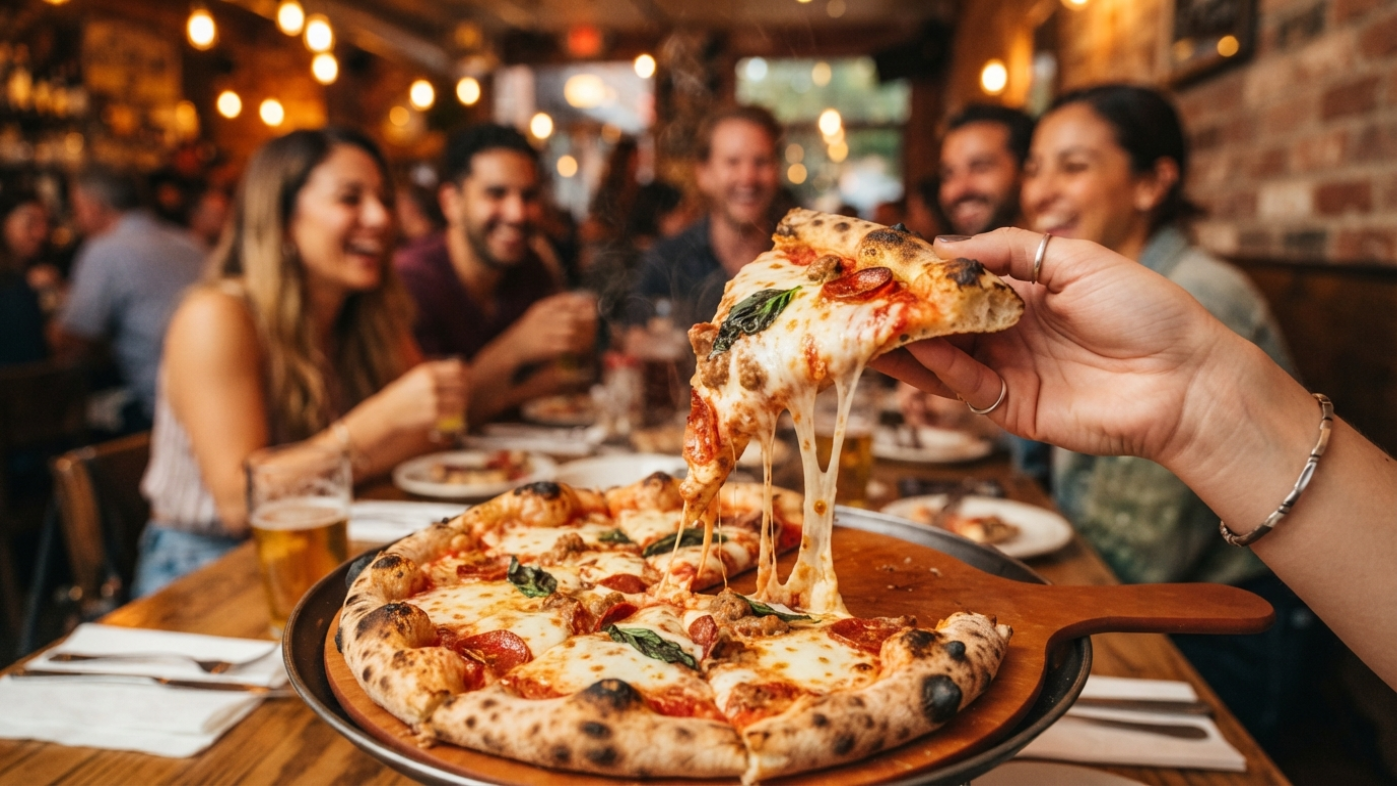
Looking for reliable Pizza Delivery in Phoenix, AZ? Learn how to choose the perfect pizza for your group and view the menu online.
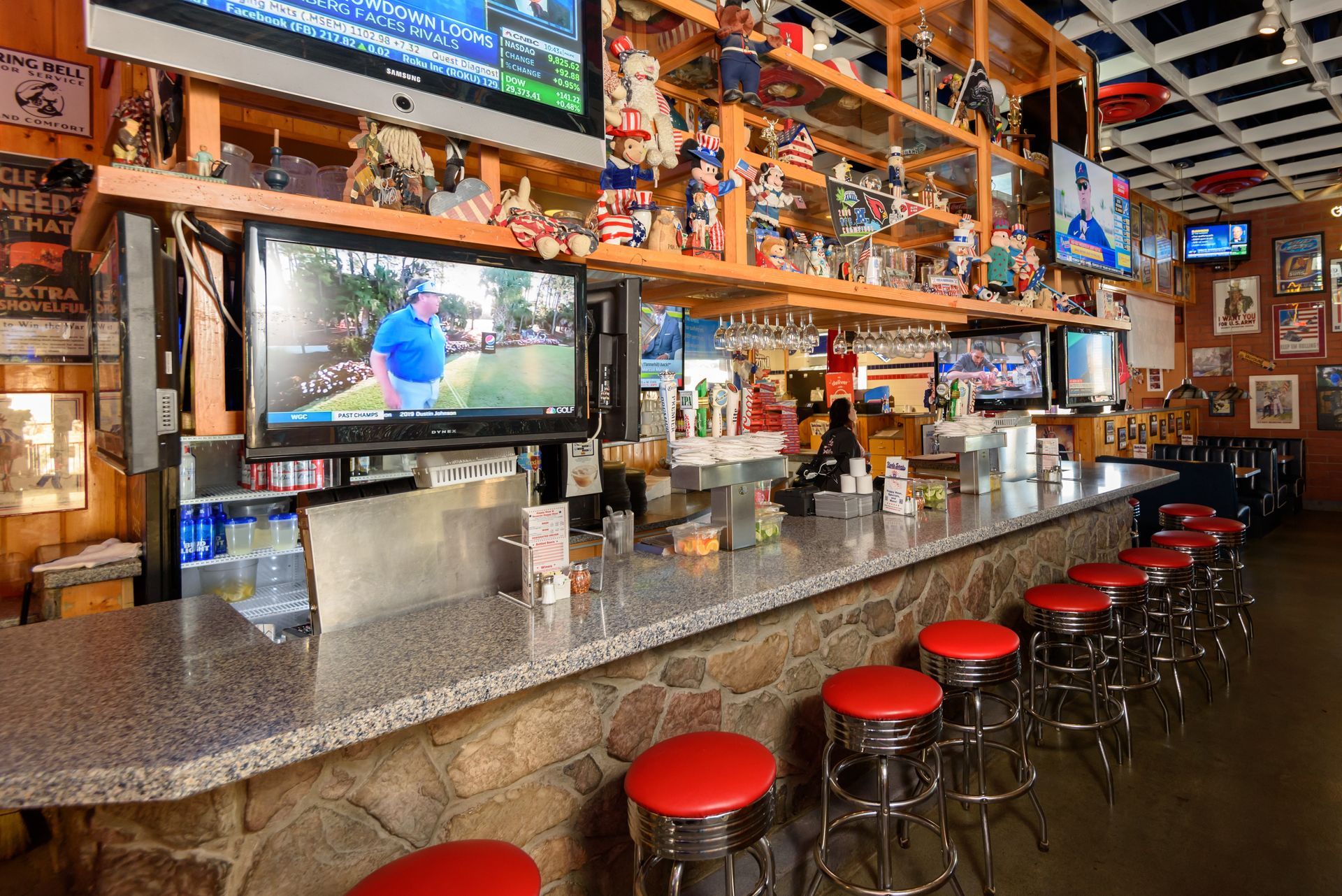
Phoenix has become one of the most exciting food cities in the Southwest. Visitors and residents can find everything from Sonoran hot dogs and authentic Mexican cuisine to modern chef-driven restaurants, international flavors, and local specialties rooted in Arizona’s agricultural heritage. Food has always been part of the city’s identity, and understanding Phoenix’s culinary history helps explain why distinctive restaurants continue to thrive here today. Long before Phoenix became a major metropolitan area, food and agriculture shaped life in the Valley. The Hohokam people developed extensive irrigation canal systems that supported farming in the desert more than a thousand years ago. Agriculture continued to play a central role throughout the region’s development , helping establish Phoenix as a community built around cultivation, trade, and food production.
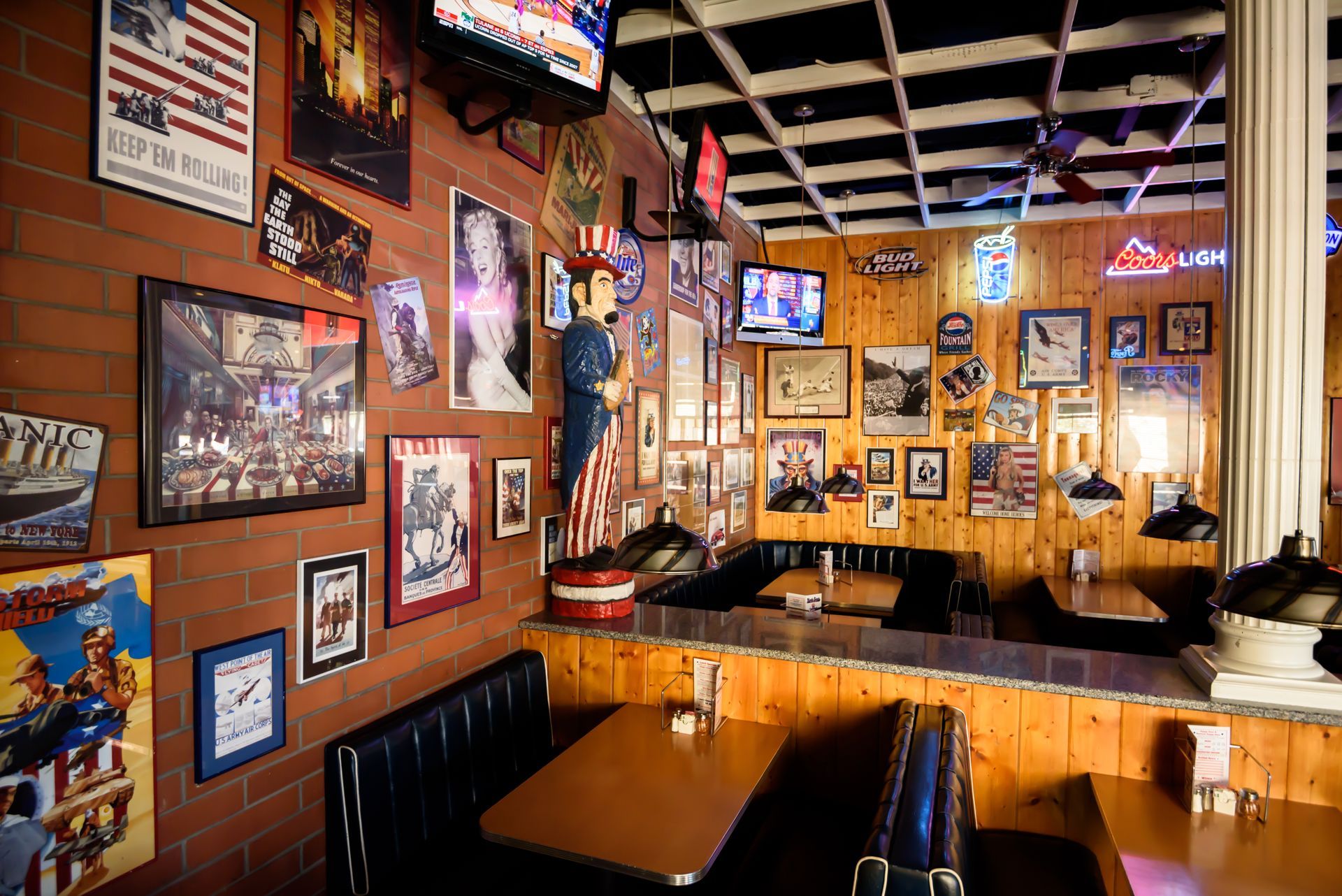
Few foods are more closely associated with the East Coast than the classic deli sandwich . Walk into a sandwich shop in Philadelphia, New York, Connecticut, or Massachusetts, and you might hear customers ordering hoagies, grinders, heroes, subs, or wedges. While these names are often used interchangeably, some of them have distinct histories and traditions. Two of the most commonly confused sandwiches are the hoagie and the grinder. Both feature long rolls filled with meats, cheeses, and toppings, but their origins and traditional preparation methods are slightly different. Understanding those differences offers an interesting look into the rich history of American sandwich culture.
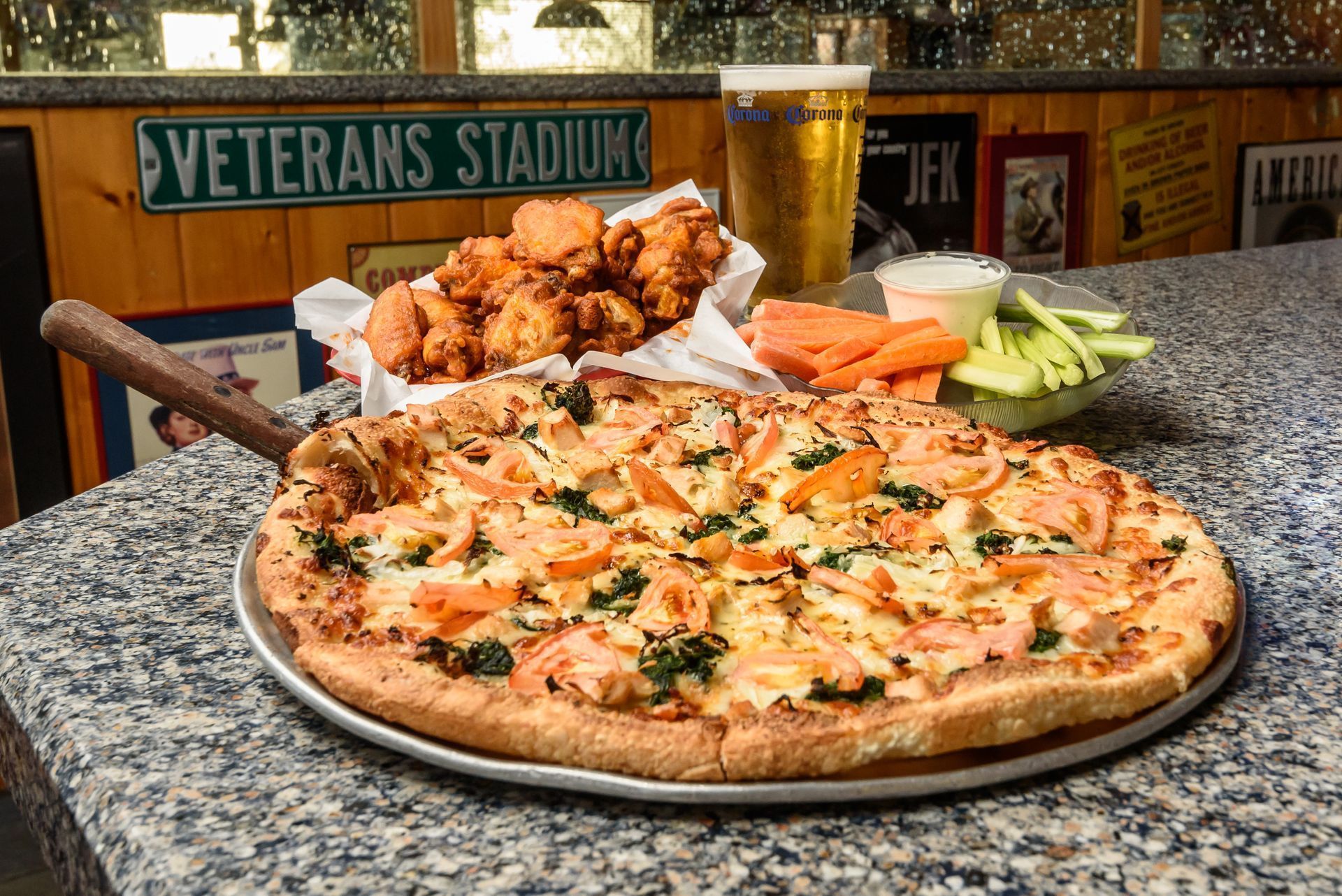
Pizza may have originated in Italy , but few foods have been embraced and transformed by Americans quite like the pizza pie. Over the last century, different regions of the United States have developed their own unique approaches to pizza, creating styles that reflect local traditions, ingredients, and culinary preferences. Today, pizza lovers can find countless variations across the country, each with its own loyal following. Despite the many regional interpretations, some styles have had a particularly significant influence on American pizza culture. Among the most enduring are the East Coast traditions that helped introduce generations of Americans to the pizza they know and love today.
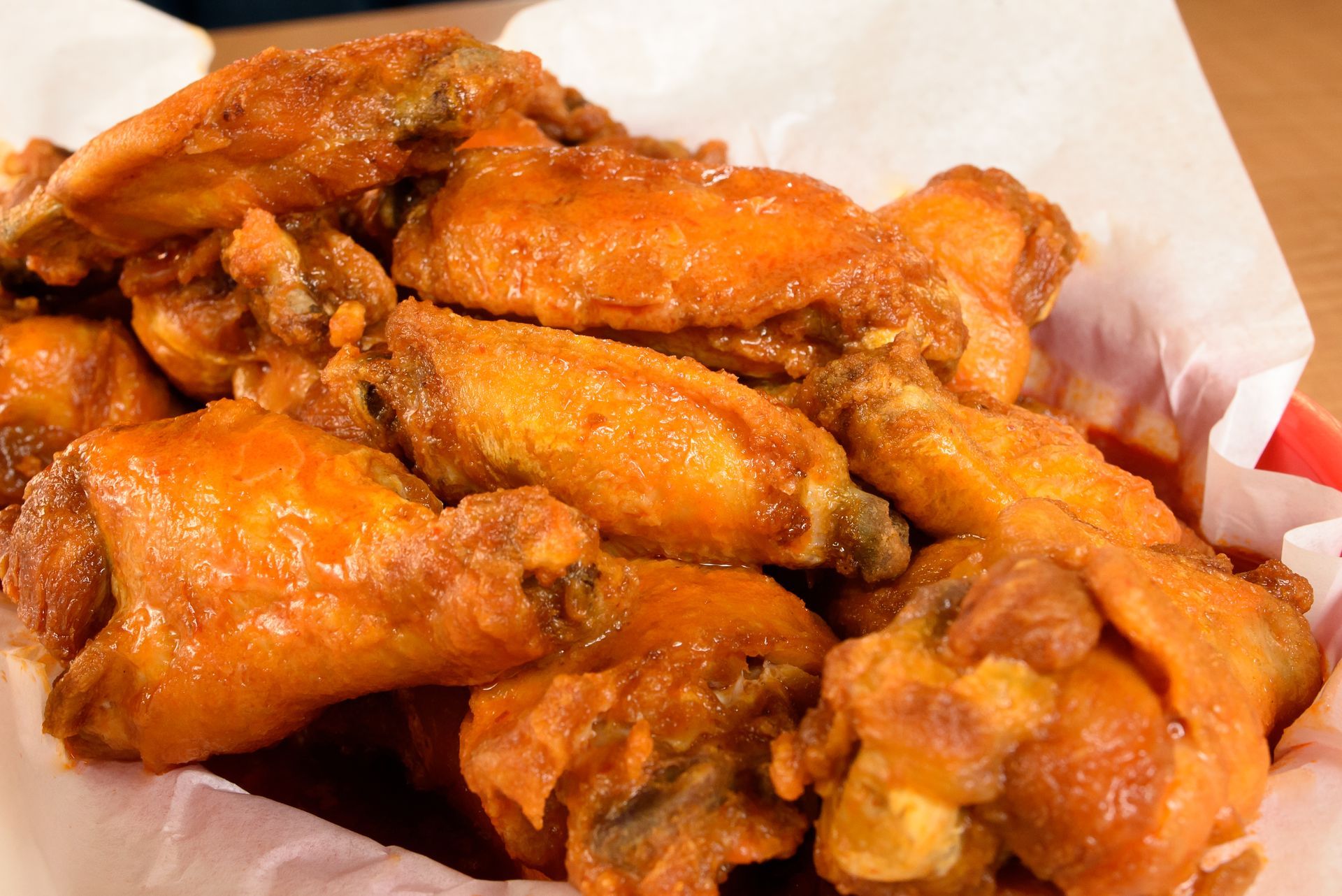
Few foods have achieved the level of popularity enjoyed by the humble chicken wing. Whether served at family gatherings, sporting events, casual dinners, or game-day parties, wings have become a staple of American comfort food. Their combination of crispy texture, bold flavor, and endless customization options has helped transform them from an overlooked cut of chicken into one of the most beloved menu items in the country. At Uncle Sam’s, wings have always been an important part of what we serve. While everyone has their own opinion about the perfect wing, there are a few characteristics that consistently separate great wings from ordinary ones. The Birth of the Buffalo Wing The modern American chicken wing can trace much of its popularity back to Buffalo, New York . According to the most widely accepted origin story, Buffalo-style wings were created in 1964 at the Anchor Bar when Teressa Bellissimo prepared fried chicken wings tossed in a spicy sauce for her son’s friends. The wings quickly became popular and eventually spread across the country. The original Buffalo wing was relatively simple . Chicken wings were deep fried until crisp, coated in a mixture of hot sauce and butter, and traditionally served with celery and blue cheese dressing. That straightforward formula proved incredibly successful and helped create an entirely new category of American food. Over the decades, restaurants and wing enthusiasts developed countless variations, creating the wide range of flavors available today.
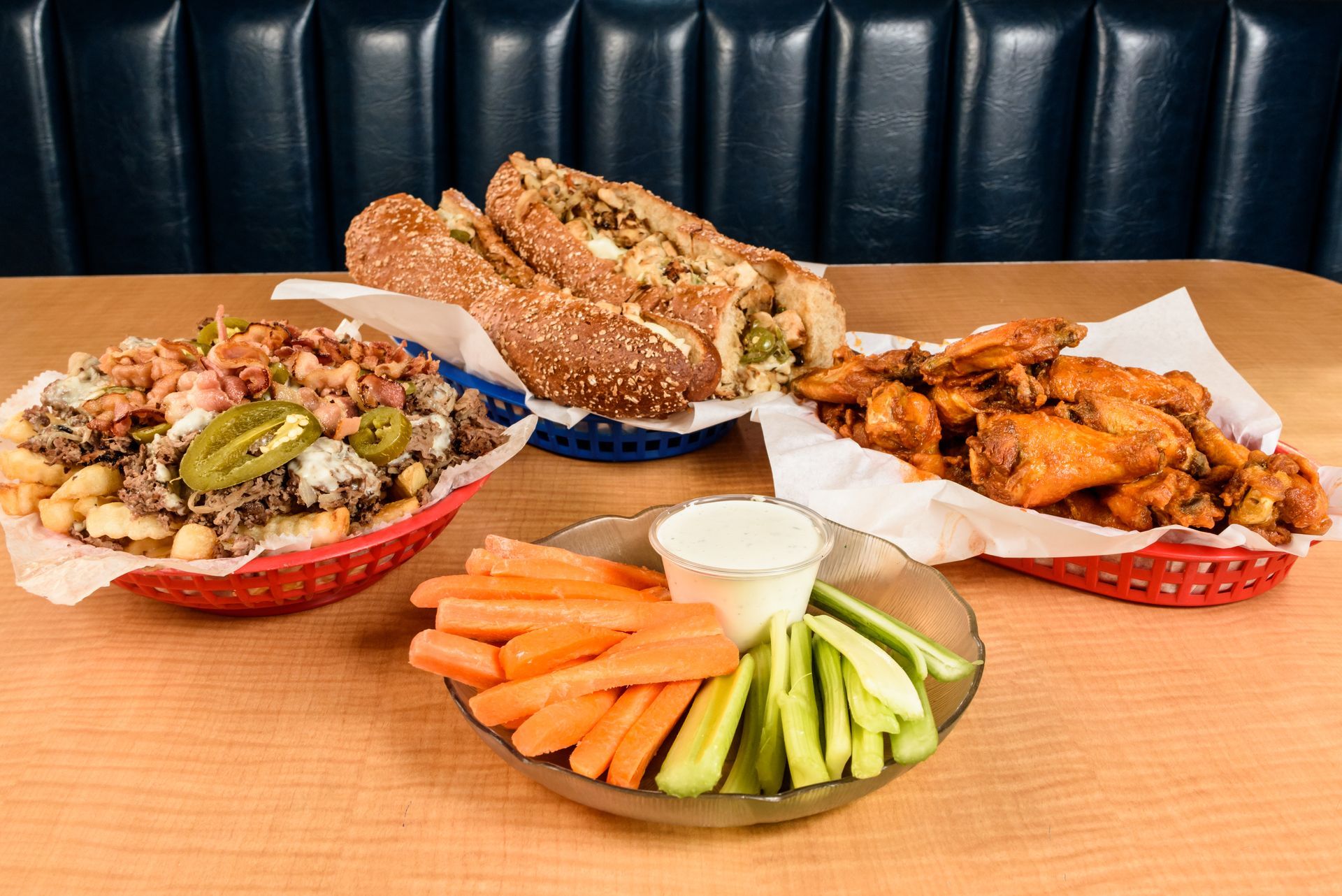
Planning food for a group event can quickly become stressful. Whether organizing an office lunch, birthday party, sports gathering, graduation celebration, or family event, one of the biggest challenges is finding food that feels casual, satisfying, and easy for everyone to enjoy. Large group meals work best when the menu is flexible, shareable, and familiar enough to satisfy a wide range of tastes. At Uncle Sam’s, we have spent decades serving East Coast–style comfort food that brings people together. Our party hoagies and catering menu are designed to make group dining simpler while still delivering the flavor and portions people expect from a true neighborhood sandwich shop. Group Catering Needs to Be Practical One reason party catering can become complicated is because group events involve many different preferences and appetites. Some guests may want a full meal, while others prefer lighter portions or smaller snacks throughout the event. Foods that work well for catering often share a few important qualities: Easy to serve Simple to share Familiar and approachable Filling without being overly formal Flexible for different group sizes This is one reason party hoagies, pizza, wings, and sandwich platters continue remaining popular choices for events of all types.
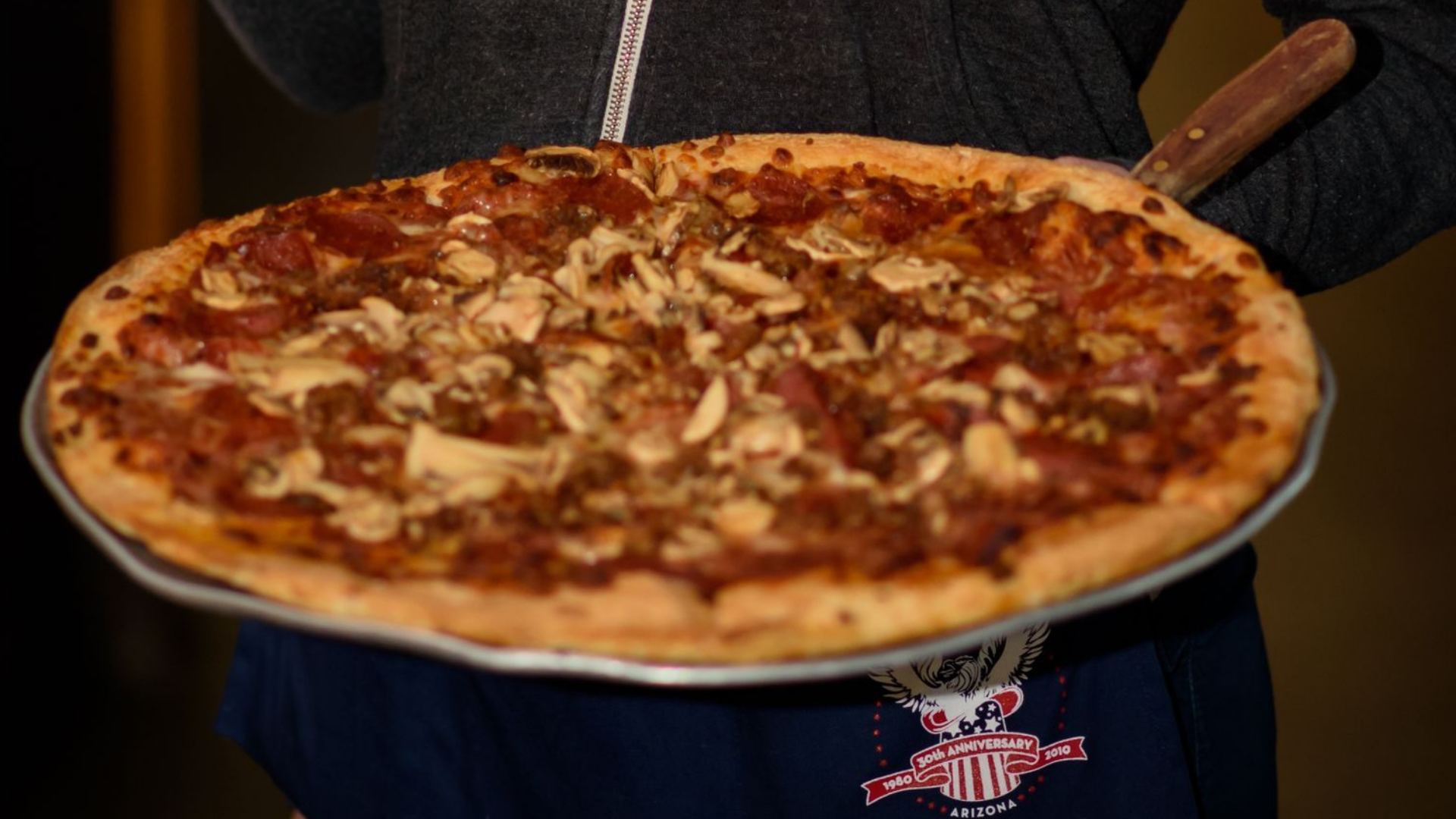
Pizza is one of the most recognizable and widely enjoyed foods in the world today. From thin crust slices and deep-dish pies to specialty toppings and oversized New York-style slices, pizza has evolved far beyond its original form. While its roots trace back to Italy, many of the styles people know and love today were shaped heavily by American creativity, regional influence, and restaurant culture. At Uncle Sam’s, we appreciate the long history behind pizza because it reflects the same kind of comfort food tradition that continues bringing people together today.
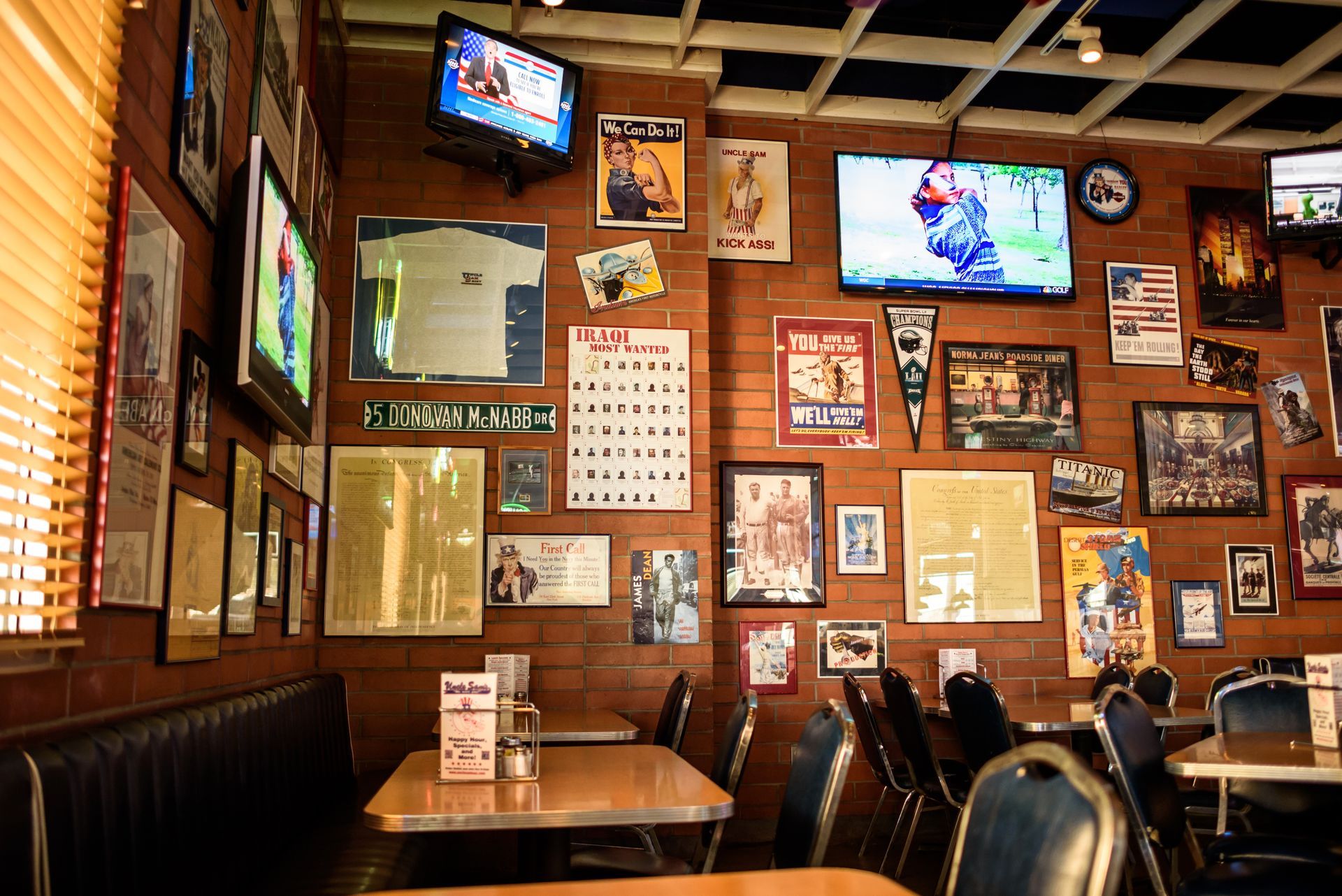
If you enjoy East Coast–style comfort food, you have likely seen both calzones and strombolis on the menu. At first glance, they look similar. Both are made with dough, filled with cheese and meats, and baked until golden. However, they are not the same. Each has its own history, structure, and eating experience. At Uncle Sam’s, we take pride in bringing authentic flavors to Arizona, and understanding the difference between these two classics makes the experience even better. What Is a Calzone? Originating in Naples, calzones were designed as a portable way to enjoy a meal. Instead of serving it flat, the dough is folded over the fillings and sealed along the edges, creating a half-moon shape. Traditionally, calzones are filled with ingredients such as ricotta cheese, mozzarella, and cured meats. The interior tends to be soft and rich, with a focus on creamy textures. Because of its structure, a calzone feels more like a self-contained meal. Everything is enclosed, making each bite consistent from start to finish.